August 26, 2026
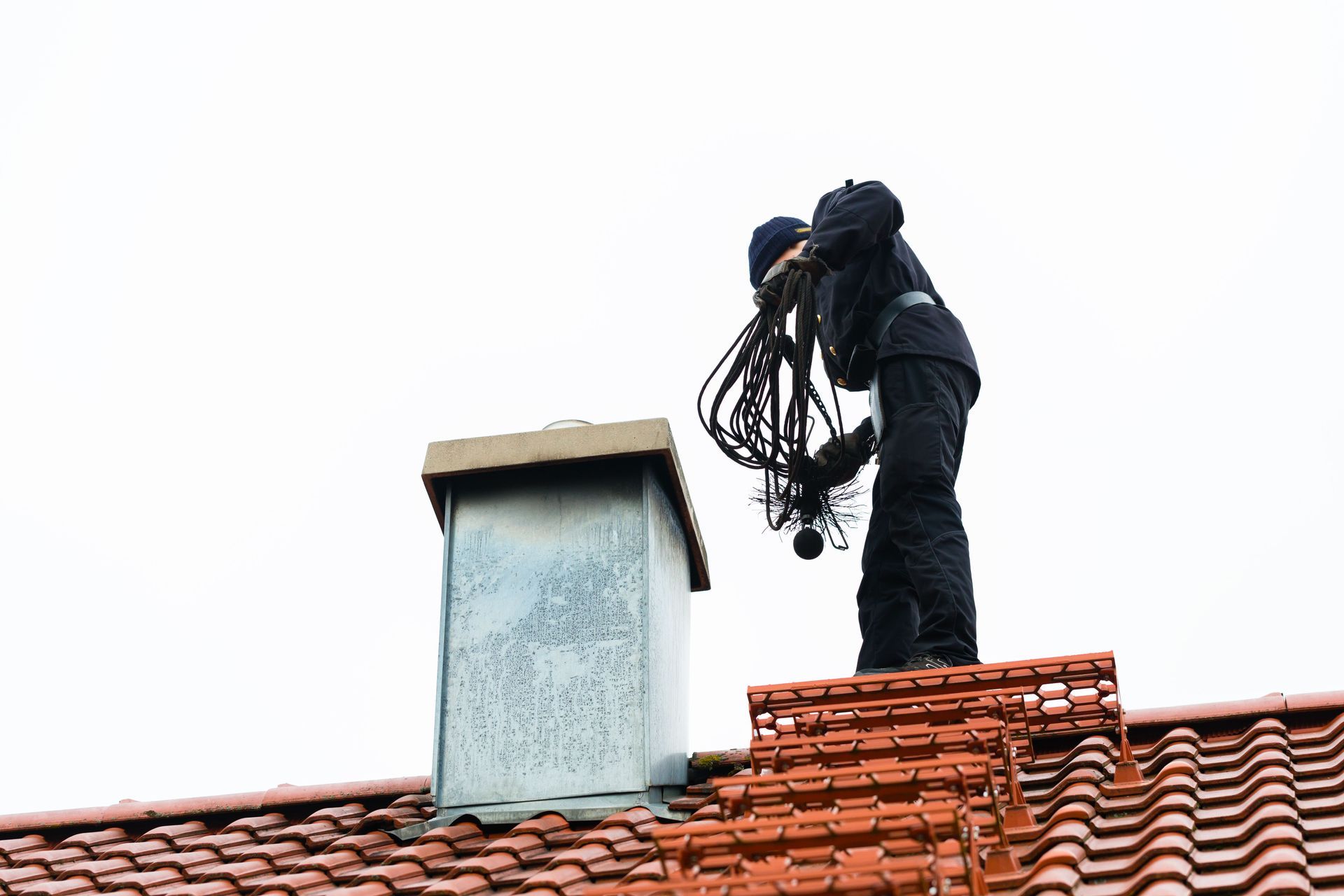
The home is a sanctuary, a place where safety and comfort are paramount. Among the various aspects that contribute to a safe home environment, a chimney inspection often goes overlooked. Yet, they are crucial for ensuring the safety and efficiency of your heating systems. Ignoring regular inspections can lead to significant safety hazards, structural damage, and financial burdens. This article delves into the numerous benefits of scheduling an annual chimney inspection and its indispensable role in home maintenance.
Fire Safety Assurance
Identifying Creosote Buildup
Creosote buildup is a natural byproduct of burning wood. Over time, as smoke travels up the chimney, deposits of creosote accumulate and form a highly flammable coating. Even a small spark can ignite this buildup, leading to a dangerous chimney fire. Annual inspections are essential for identifying excessive creosote accumulations that may not be visible to the naked eye. By proactively managing this risk, homeowners can significantly reduce the chance of a fire accident.
Detecting Blockages
Chimney blockages present another serious risk, often caused by bird nests, leaves, and other debris. When blockages occur, they can restrict airflow, resulting in smoke backing up into living spaces. In worse cases, such restricted airflows can lead to carbon monoxide poisoning. A regular chimney inspection helps ensure that any obstructions are identified and removed promptly. This proactive approach helps maintain a clean air supply, contributing to a healthier home environment.
Preventing Structural Deterioration
Detecting Moisture Damage
Moisture intrusion is one of the primary adversaries of chimney longevity. Water can seep into various parts of the chimney, leading to deterioration and costly repairs. Annual inspections help identify early signs of moisture damage, such as efflorescence, spalling bricks, and rust on the damper components. By catching these problems early, homeowners can undertake necessary repairs to prevent further degradation. Proactive moisture management protects the chimney's structural integrity and extends its serviceable life.
Identifying Mortar Joint Issues
Mortar joints are critical for keeping the brick structure intact. Over time, exposure to harsh weather conditions can weaken these joints, creating stability issues. Crumbling mortar can lead to bricks becoming loose, potentially resulting in partial chimney collapse. Regular inspections are essential for identifying deteriorating mortar joints, allowing for timely tuckpointing or repointing. Addressing these concerns ensures that the chimney remains a strong and reliable structure, capable of enduring environmental stresses.
Examining the Condition of Flashing
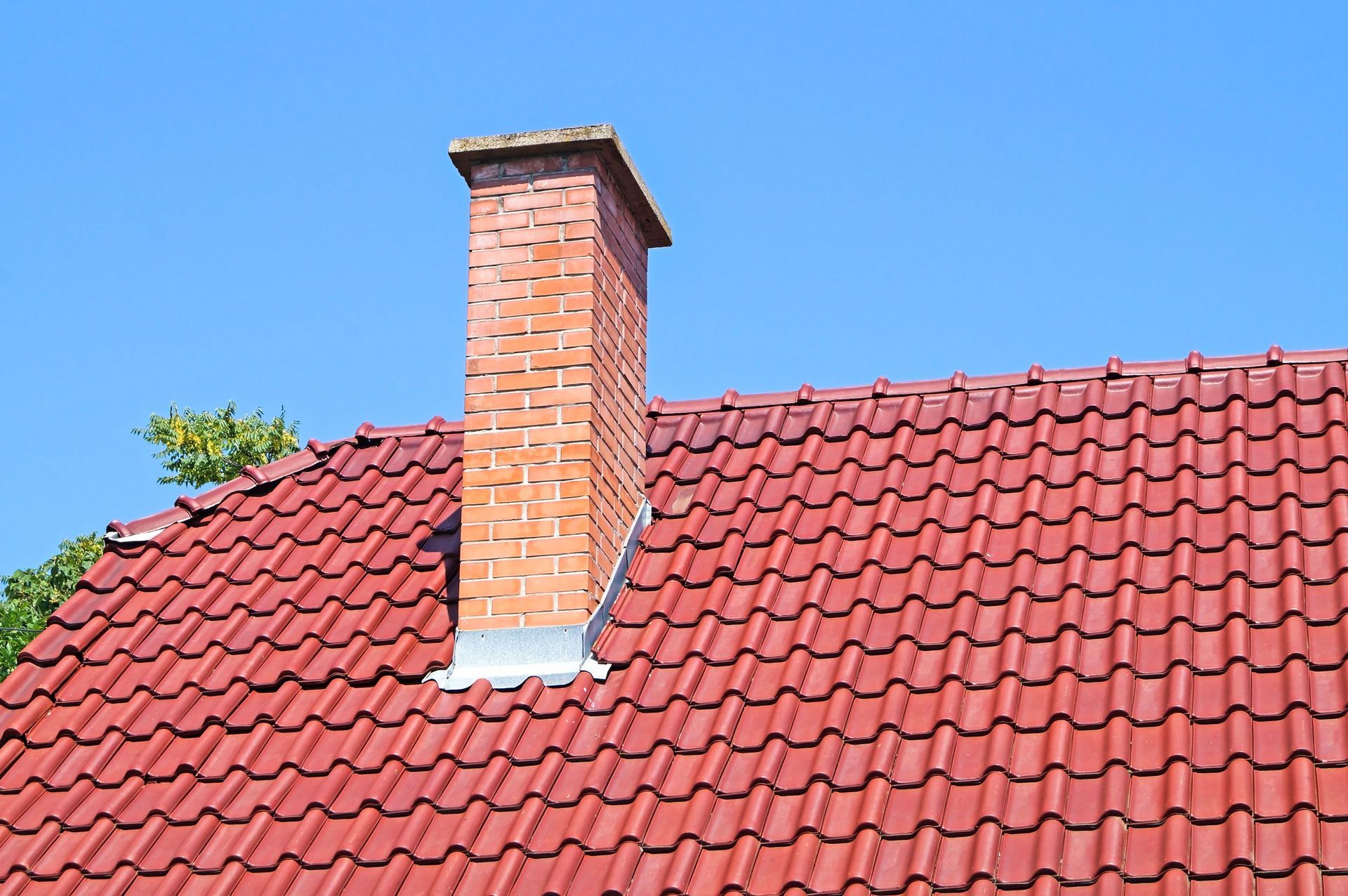
Chimney flashing comprises metal sheets that create a watertight seal between the chimney and the roof. If the flashing is damaged or improperly installed, it can become a significant source of leaks. An inspection will peruse the flashing meticulously, looking for signs of wear, corrosion, or gaps that require sealing. Ensuring that the flashing is maintained in good condition is crucial for preventing water infiltration. Routine inspections protect the home from water-related issues, preserving both the chimney and rooftop.
Understanding the Role of Masonry Repairs
Masonry repairs often become necessary as chimneys age and are subjected to wear and environmental factors. Inspections play a pivotal role in the timely intervention of masonry repairs, thereby preventing extensive deterioration. Identifying and repairing small faults, such as spalling or eroded mortar, can drastically extend the lifespan of the chimney structure. It also minimizes safety risks related to structural instability. Regularly scheduled inspections and maintenance contribute to the enduring safety and functionality of the chimney system.
Improving Indoor Air Quality
Recognizing the Sources of Indoor Pollution
Chimney-related issues can significantly impact indoor air quality. Creosote buildup, blocked flues, and malfunctioning dampers can all become sources of pollution within the house. Poor maintenance can severely degrade air quality, posing health risks to inhabitants. By scheduling an annual chimney inspection, homeowners can identify and rectify these contributing factors. Consequently, these evaluations support the maintenance of cleaner, healthier indoor environments.
Ensuring Efficient Smoke Exit
A well-functioning chimney efficiently expels smoke and other byproducts of combustion, enhancing indoor air quality. Obstructions and inefficient operation can hinder smoke evacuation, allowing particulates to infiltrate the living space. Regular inspections are crucial for maintaining clear, unobstructed pathways within the chimney. This guarantees an effective escape route for smoke, protecting inhabitants from potential respiratory problems. By addressing blockages and enhancing chimney function, inspections play a vital role in promoting a healthy household environment.
Preventing Carbon Monoxide Intrusion
Chimneys that aren't properly maintained can become conduits for carbon monoxide accumulation. This dangerous gas, produced through incomplete combustion, can infiltrate homes if the chimney’s airflow is compromised. Inspections focus on ensuring optimal ventilation, reducing the risk of gas buildup. By addressing ventilation problems promptly, inspections avert the possibility of carbon monoxide-related health emergencies. Regular checks safeguard families from this invisible yet deadly threat.
Evaluating Chimney's Impact on House Ventilation
The chimney plays a significant role in the ventilation strategy of a house. Inspections assess whether the chimney contributes positively to overall air circulation within the home. Dysfunctional chimneys can disrupt air management strategies, affecting both resultant air quality and comfort levels. Maintaining chimney efficiency enhances the broader home's ventilation systems, ensuring that air flows freely and exchange rates remain optimal. Regular assessments ensure the whole system works cohesively to deliver clean air.
Monitoring Particulate Emission Levels
Particulate emissions from chimneys can be a source of environmental and indoor pollution. Inspections include evaluating the quantity and quality of smoke emissions, aiming to maintain levels within safe and legal limits. By preventing creosote buildup and ensuring effective operation, inspections help minimize particulate releases. According to Business Research Insights, the global Chimney Sweeping Services Market is estimated to be valued at approximately $0.59 billion in 2026, indicating the increasing importance of this maintenance aspect. Consequently, regular inspections support not only compliance and environmental stewardship but also contribute to ongoing market growth.
Cost-Effective Maintenance Strategy
Identifying Problems Early
An annual chimney inspection offers a proactive approach to identifying potential problems before they exacerbate. Early detection often translates into less expensive repairs, circumventing the need for major overhauls. For instance, fixing a small crack or clearing an obstruction costs significantly less than addressing a chimney collapse. Routine checks ensure that latent issues are identified, discussed, and resolved. Timely intervention is an effective means of maintaining financial control over home maintenance expenses.
Extending Chimney Lifespan
Proper maintenance and inspection work synergistically to extend the lifespan of a chimney system. By addressing minor issues before they transform into severe complications, inspection practices help strengthen the chimney’s longevity. Not only does this prevent premature replacement costs, but it also maintains property value over time. Regular checks ensure that the structure remains functional for many decades, creating a robust, reliable feature within the home. Homeowners who prioritize these evaluations can look forward to long-term savings and peace of mind.
Integrating Regular Maintenance Scheduling
Creating and adhering to a regular maintenance schedule is pivotal in ensuring a chimney's optimal operation. This routine not only involves inspections but also includes cleaning and repair efforts as necessary. By incorporating a maintenance plan into the broader home care schedule, homeowners can avoid sudden, unexpected expenses. Consistency in maintenance efforts enhances system performance and reduces the likelihood of emergency scenarios. Such practices ultimately translate into a well-preserved home environment with predictable upkeep costs.
Avoiding Emergency Repair Costs
Sudden chimney emergencies can result in significantly high repair costs. By regularly inspecting the chimney, issues like structural cracks, blockages, or other potentially catastrophic conditions are addressed beforehand. This proactive approach minimizes the risk of sudden failures that demand urgent repairs, often at premium rates. Investing in periodic evaluations ensures that vital aspects of chimney health are maintained without the panic and cost associated with emergency fixes. In this way, annual inspections represent sensible, cost-effective planning in home maintenance.
Chimney maintenance is a critical dimension of responsible homeownership, underscoring safety, efficiency, and value. Through a professional chimney inspection and regular maintenance, homeowners safeguard against fire risks, structural deterioration, regulatory infractions, and liability exposures while bolstering home marketability. The insights and security offered through systematic evaluations help fortify a robust maintenance strategy that preserves both quality of life and property worth. By incorporating these assessments into routine planning, homeowners affirm their dedication to maintaining a safe, functional, and enviable household. The case for annual inspections has never been stronger, and engaging in them represents a sound, prudent investment in the home’s future. Call Smith's Chimney Service, LLC today to learn more.