November 9, 2026
A properly functioning chimney plays an important role in maintaining a safe and comfortable home. Over time, however, exposure to the elements, regular fireplace use, and natural aging can cause various components to deteriorate. When problems develop, professional service helps restore the chimney's condition and address potential safety concerns before they become more serious.
For homeowners who have never scheduled this type of work, understanding the process can make the experience less stressful. From the initial inspection to the final evaluation, professional chimney repairs generally follow several important steps. Knowing what happens during each stage can help homeowners prepare their properties, communicate with technicians, and understand the work needed to keep their chimney functioning properly.
Conducting the Initial Inspection and Assessment
Identifying Existing Chimney Problems
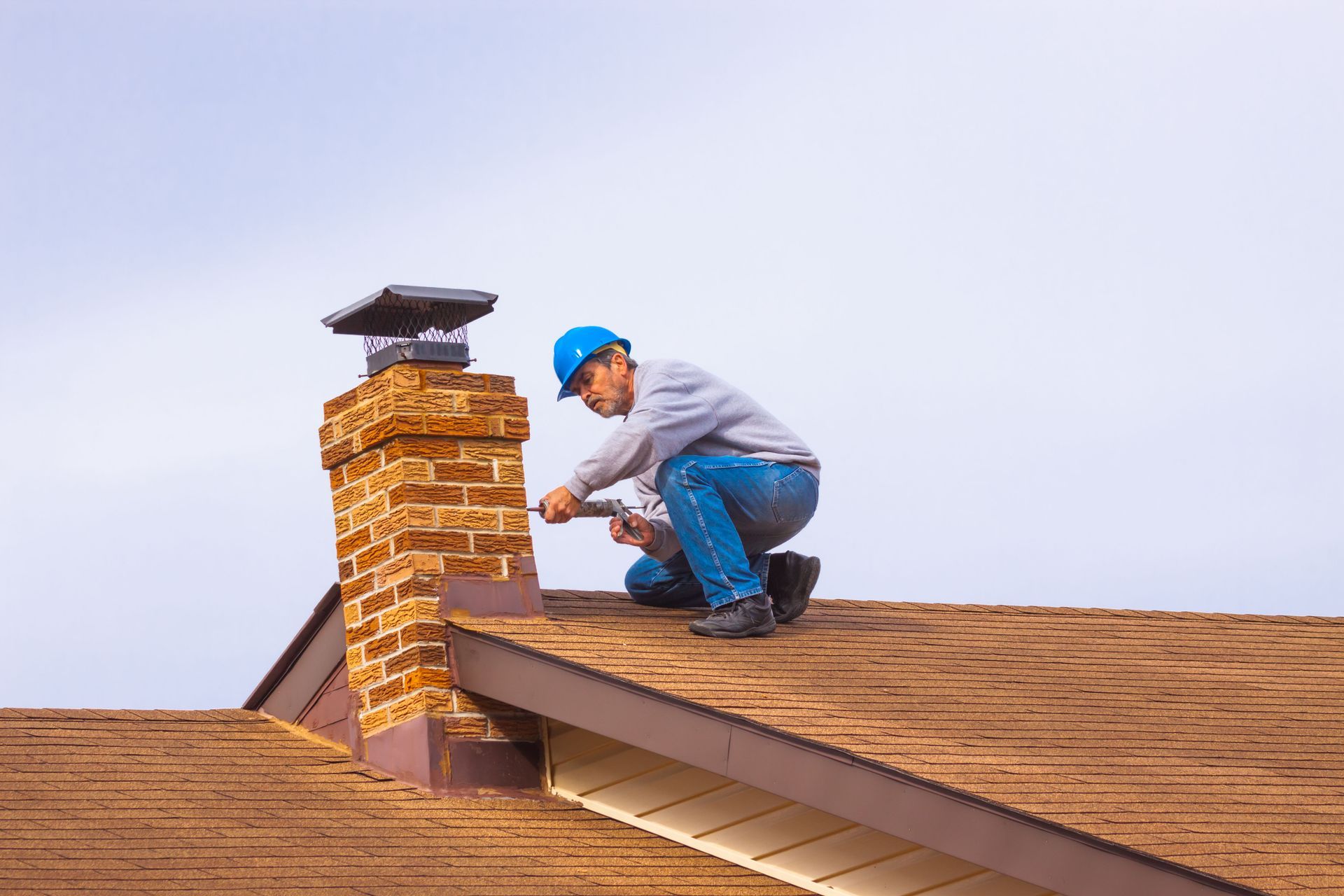
Professional chimney repairs typically begin with a thorough inspection. Before recommending any work, a technician needs to understand the chimney's overall condition and identify the source of any existing problems. This evaluation may include examining the masonry, firebox, flue, damper, chimney crown, and exterior protective components.
During the assessment, technicians look for visible cracks, deteriorating mortar joints, water stains, rust, and other indications of damage. They may also check for obstructions, creosote accumulation, and signs of improper ventilation. These issues can affect how effectively smoke and combustion gases exit the home, potentially creating hazardous conditions.
Some problems are not immediately noticeable from the outside. For example, the interior flue liner can deteriorate even when the surrounding masonry appears relatively intact. According to This Old House, interior chimney components, such as the chimney liner, generally begin showing deterioration after 15 to 20 years. This timeframe makes evaluating concealed components an important part of determining whether repairs are necessary.
Explaining the Recommended Repairs
Once the inspection is complete, the technician should explain the findings and discuss any recommended solutions. Homeowners can expect an overview of the problems discovered, the components affected, and the potential consequences of leaving the damage unaddressed.
Depending on the inspection results, recommended work may involve masonry repairs, tuckpointing, flue relining, or chimney liner replacement. Other possibilities include repairing a damaged crown, installing a new chimney cap, replacing a faulty damper, or applying waterproofing treatments to protect exterior masonry.
A professional should also explain which problems require immediate attention and which can be addressed through routine maintenance. This distinction helps homeowners prioritize necessary work and understand how each repair contributes to the chimney's overall safety and performance.
Preparing the Work Area and Completing Repairs
Preparing Your Home for the Appointment
Before work begins, homeowners can take several steps to make the service appointment more efficient. Clearing furniture, decorations, and other belongings away from the fireplace creates an accessible workspace. Removing loose ashes and debris from the firebox can also help technicians begin their evaluation and repairs without unnecessary delays.
Homeowners should make sure technicians have a clear pathway to the chimney and any exterior areas that require attention. If pets are present, keeping them in a separate room helps prevent interruptions and maintains a safer working environment.
It is also helpful to communicate any concerns noticed before the appointment. Unusual odors, smoke entering the living space, difficulty maintaining a fire, and visible water leaks can provide useful information. Sharing these observations allows technicians to investigate potential causes more effectively.
Addressing Masonry and Structural Damage
After preparing the work area, technicians begin addressing the problems identified during the inspection. The specific procedures depend on the chimney's construction, the extent of deterioration, and the components requiring attention.
For masonry-related problems, professional chimney repairs may involve replacing damaged bricks, restoring deteriorated mortar joints, and performing tuckpointing. These procedures help reinforce the chimney's structure while addressing openings that could allow moisture to penetrate the masonry. If the chimney crown has developed cracks or extensive deterioration, technicians may recommend repairing or replacing it to restore its protective function.
Waterproofing may also be necessary when moisture infiltration contributes to ongoing deterioration. Specialized treatments help reduce water absorption while allowing masonry to release trapped moisture. This is particularly important in regions that experience frequent rain, snow, and freezing temperatures, where repeated exposure can accelerate structural damage.
Repairing Interior Components and Protective Features
Not every chimney problem involves the exterior structure. Interior components also require attention to maintain proper ventilation and safe fireplace operation. Depending on the inspection findings, technicians may repair damaged flue sections, install a replacement liner, or address problems with the damper.
The flue liner is particularly important because it provides a protective passage for smoke and combustion gases traveling out of the home. If the liner is cracked, deteriorated, or otherwise compromised, replacement or relining may be necessary. Technicians select appropriate materials and installation methods based on the chimney's configuration and applicable safety requirements.
Other chimney repairs may involve installing or replacing chimney caps. These protective coverings help keep rain, animals, and debris from entering the flue. Damper repairs or replacements may also be necessary when the existing mechanism no longer opens, closes, or seals properly. Each component serves a specific purpose, so addressing these issues helps restore the chimney's overall functionality.
Evaluating for Quality and Long-Term Maintenance
Reviewing the Completed Work
Once the necessary repairs are finished, technicians should evaluate the completed work to ensure the affected components have been properly addressed. This final assessment may involve checking repaired masonry, examining newly installed components, and verifying that the flue and damper function as intended.
Homeowners can expect an explanation of the work performed and any remaining maintenance recommendations. If multiple issues were identified during the original inspection, the technician can also clarify which concerns have been resolved and whether additional service may eventually be necessary.
This is an appropriate time to ask questions about the materials used, the expected lifespan of replacement components, and any precautions to follow before using the fireplace again. For example, certain masonry materials and waterproofing treatments require adequate curing time. Following the technician's instructions helps protect the completed work and prevents premature damage.
Professional chimney repairs should address the underlying causes of deterioration rather than simply conceal visible symptoms. A thorough final evaluation helps homeowners understand the results and determine whether their chimney is ready for regular use.
Understanding the Importance of Routine Inspections
Even after successful repairs, chimneys require ongoing attention. Weather exposure, moisture infiltration, and repeated heating and cooling cycles can gradually affect masonry and interior components. Regular inspections help identify developing problems before they require more extensive corrective work.
Homeowners should generally schedule an annual chimney inspection, regardless of how frequently they use their fireplace. During these evaluations, technicians can check for new cracks, deteriorating mortar, flue obstructions, and other conditions that may affect performance.
Professional chimney repairs may eventually become necessary again as individual components age or experience additional wear. However, consistent inspections and timely maintenance can help limit deterioration and reduce the likelihood of unexpected structural problems.
Homeowners can also support chimney longevity by burning properly seasoned firewood, paying attention to changes in fireplace performance, and keeping the surrounding area clear. Unusual odors, poor drafting, water stains, or visible masonry damage should prompt a professional evaluation rather than being ignored.
Understanding what happens during professional chimney service makes it easier to prepare for an appointment and recognize the value of addressing chimney problems promptly. From the initial assessment and necessary structural work to the final evaluation, each stage contributes to restoring the system's safety and functionality. Scheduling professional chimney repairs when problems arise, along with maintaining a consistent inspection routine, helps protect the home and extend the useful life of its chimney. Contact Smith's Chimney Service, LLC to schedule an inspection and discuss the repair solutions needed to keep your chimney in proper working condition.