October 26, 2026
A chimney often sits out of sight while doing an important job: carrying smoke and combustion gases safely away from the living space. Because much of the system is hidden inside walls, masonry, and the flue, problems can develop without obvious warning. That is why routine professional attention matters even when a fireplace appears to be working normally.
Annual chimney inspections give homeowners an opportunity to identify developing concerns before another heating season begins. According to the U.S. Fire Administration, residential building heating fires decreased by 26% over a 10-year reporting period. That broader decline highlights how important continued attention to heating safety remains. A yearly inspection can help homeowners understand the condition of the chimney, address maintenance needs, and use their fireplace or stove with greater confidence.
Catch Problems That Are Difficult to See
Many chimney problems begin in areas homeowners cannot easily inspect from the fireplace opening or roofline. Cracks in a flue liner, loose masonry, residue buildup, moisture damage, and debris may remain hidden while the fireplace continues to operate. Waiting until smoke enters the room or visible damage appears can allow a smaller concern to become more involved.
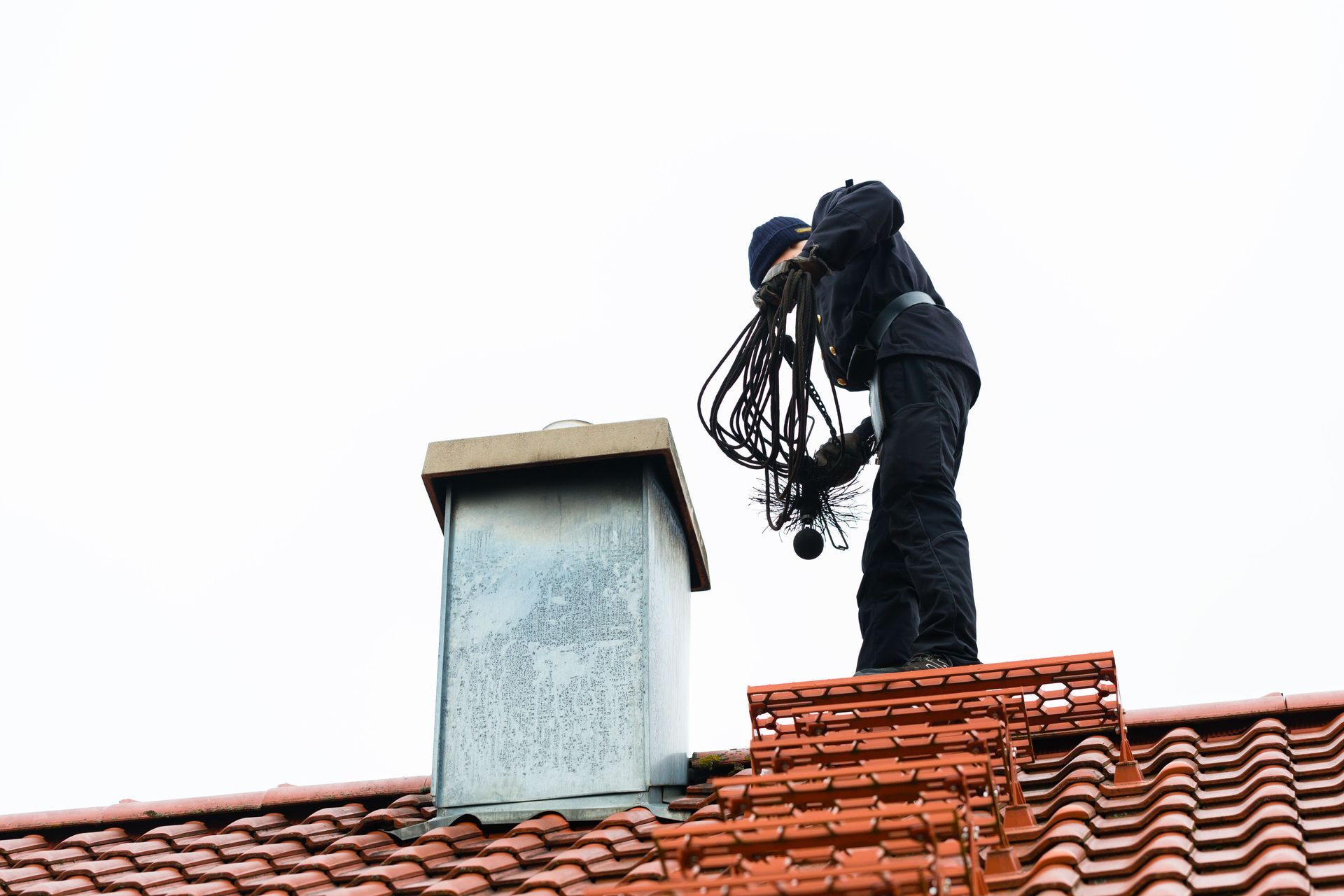
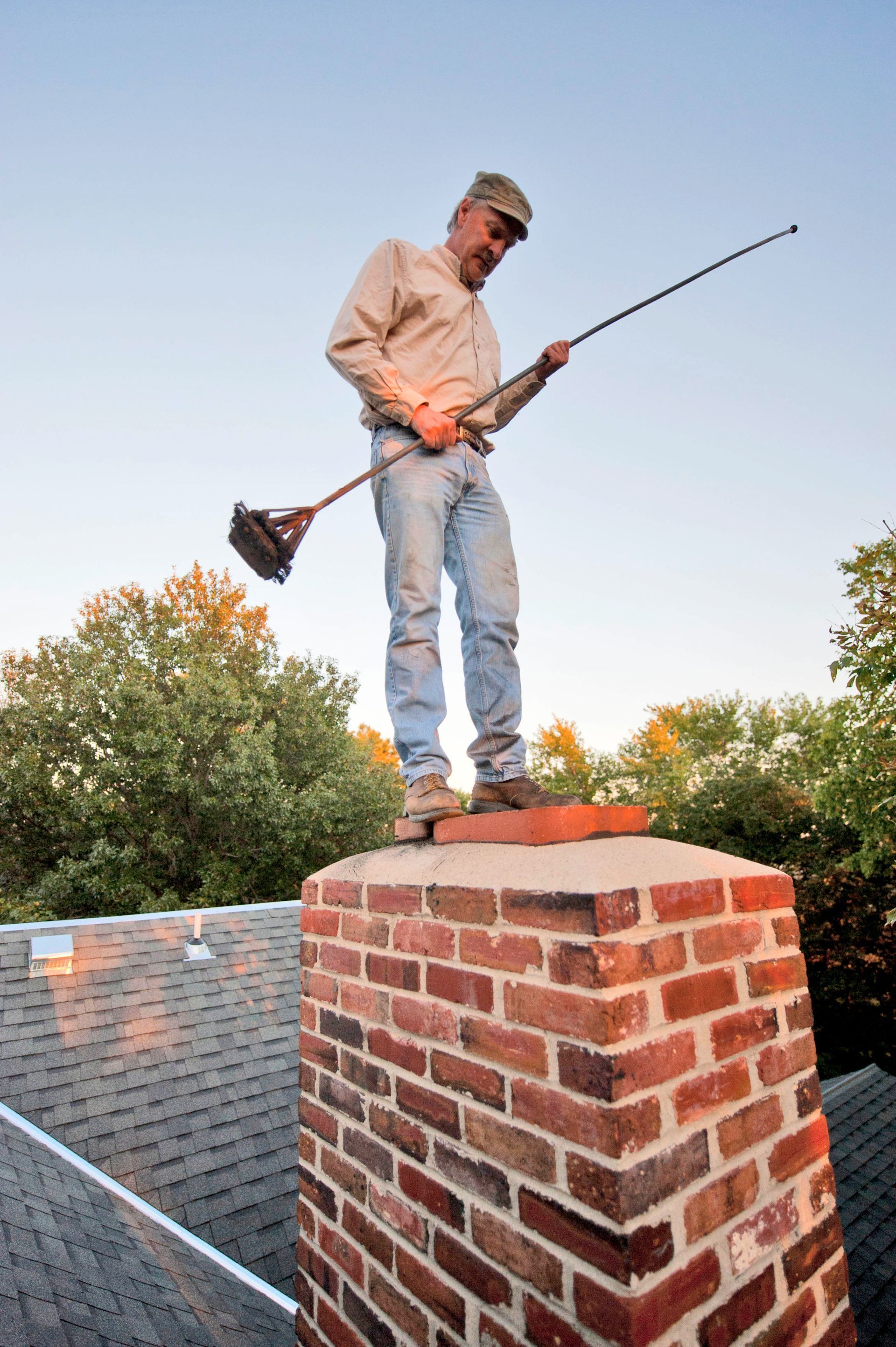
Professional chimney inspections are designed to evaluate accessible portions of the system and look for conditions that may affect safe operation. At Smith's Chimney Service, inspections can include flue liner assessments, checks for creosote buildup, structural evaluations, moisture damage detection, and draft performance testing. These areas provide a broader picture of how the chimney is functioning.
Finding a concern early can also make maintenance planning easier. Instead of reacting to a sudden problem during cold weather, homeowners can discuss appropriate next steps and decide when cleaning or repairs should be completed.
Reduce Fire Hazards Associated With Buildup
Wood-burning fireplaces and stoves can produce creosote, a combustible residue that may collect inside the chimney over time. The amount of buildup can vary depending on how the system is used, the fuel being burned, and operating conditions. Because creosote is located inside the flue, homeowners may not recognize how much has accumulated simply by looking at the fireplace.
Chimney inspections help determine whether buildup is present and whether cleaning is needed. The technician can also look for other materials that may interfere with the flue, including soot, leaves, or nesting debris. Keeping the passageway in suitable condition supports safer operation by reducing avoidable hazards inside the chimney system.
An annual appointment is especially useful before periods of frequent fireplace use. It creates a regular maintenance rhythm rather than relying on memory or waiting for a warning sign to appear.
Identify Structural and Moisture Concerns Early
A chimney is continually exposed to rain, wind, temperature changes, and seasonal weather. Over time, those conditions can affect masonry, mortar joints, flashing, crowns, caps, and other exterior components. Moisture may also contribute to deterioration that is not immediately visible from ground level.
Regular chimney inspections give a professional the chance to look for cracks, gaps, loose materials, staining, or other signs that deserve attention. The flue liner can also be evaluated for visible damage or deterioration. Catching these concerns earlier may help prevent them from progressing into more extensive repairs.
Seasonal weather makes this particularly important in areas that experience freezing temperatures. Water can enter small openings, and repeated weather exposure can place additional stress on masonry. A yearly review helps homeowners keep track of changes rather than discovering years of deterioration all at once.
Check Draft and Venting Performance
A fireplace depends on proper airflow to carry smoke and combustion byproducts through the chimney and outdoors. When the flue is blocked, damaged, or affected by buildup, draft performance can change. Homeowners may notice smoke moving slowly, unusual odors, or smoke entering the living space, but some concerns are less obvious.
During an inspection, a technician can assess draft performance and look for conditions that could interfere with ventilation. Smith's Chimney Service includes draft performance testing among its chimney inspection services, along with evaluations of the flue liner and other system components.
This is also one reason homeowners should not assume that an unused chimney needs no attention. Debris, animal nesting material, moisture, or deterioration can develop during periods when the fireplace is not being used. An inspection before returning the system to regular use can help reveal those changes.
Understand the Appropriate Level of Inspection
Not every chimney evaluation is identical. Different circumstances may call for different levels of inspection based on how the system has been used and whether something about the home or heating appliance has changed.
Smith's Chimney Service offers Level 1, Level 2, and Level 3 inspections. A Level 1 inspection generally focuses on readily accessible portions of a system that is continuing under similar operating conditions. More detailed evaluations may be appropriate after certain changes, property transactions, significant events, or when a potential hidden hazard requires additional investigation.
Homeowners do not need to determine the correct level by themselves. Explaining recent changes, unusual fireplace behavior, repairs, weather events, or long periods of inactivity can help the chimney professional determine the appropriate scope. This makes the inspection more useful because it is matched to the condition and history of the system.
Plan Maintenance Before Problems Become Urgent
One practical benefit of annual chimney inspections is predictability. When homeowners make chimney care part of a regular home maintenance schedule, they are less likely to discover an issue immediately before they want to use the fireplace.
An inspection provides information that can guide future maintenance. If the chimney needs cleaning, masonry work, liner attention, or another repair, the homeowner can discuss the findings and prioritize the next steps. If the system is in good condition, the inspection still provides a current assessment that can be compared with future evaluations. It also creates a consistent record of attention, which can be useful when homeowners are tracking changes in an older chimney or trying to understand whether recurring symptoms point to a larger maintenance concern.
Keeping notes from each visit can also make future appointments more informative. Homeowners can compare previous recommendations, describe changes in fireplace performance, and tell the technician about repairs or unusual events that occurred since the last inspection, helping provide useful context for the evaluation.
Scheduling ahead may also be more convenient than waiting for peak fireplace season. Smith's Chimney Service offers a maintenance program that includes yearly cleaning and inspection for fireplaces, wood stoves, or gas fireplaces, providing homeowners with a structured way to keep up with recurring chimney care.
Make Annual Inspection Part of Responsible Fireplace Care
A fireplace can add warmth and comfort to a home, but safe operation depends on more than what can be seen from the room. The chimney, flue liner, masonry, draft, and exterior components all work together, and changes within any of these areas can affect the system as a whole.
Making chimney inspections an annual habit helps homeowners stay informed about that system. A professional evaluation can identify buildup, structural concerns, moisture damage, blockages, or draft issues while there is still time to address them thoughtfully. It can also help homeowners understand whether cleaning or repairs should be scheduled before the fireplace sees heavier use.
Smith's Chimney Service, LLC serves South Jersey with chimney inspection, cleaning, and repair services. For homeowners who want to keep their fireplace or stove ready for regular use, scheduling a yearly inspection is a practical step toward maintaining the chimney and understanding its condition from season to season.